
Showing posts with label nyack. Show all posts
Showing posts with label nyack. Show all posts
Tuesday, April 22, 2014
Happy Earth Day!
It's Earth Day! To celebrate, we're giving away free organic, non-GMO seed packets with every purchase of soil/soilless growing media. Grow more food! We're also offering a 10% discount on all organic products: Roots Organics soil, Canna's Bio line of nutrients, High Mowing Seeds, all bat guanos, organic pesticides and fungicides from Safer, Azamax organic pesticide and more.

Friday, April 4, 2014
Tis the Season of Seed-Starting
If you're an outdoor gardener, you've been patiently (or not-so-patiently) waiting for this awful winter to be over. If you haven't already started your seeds for the season, now is the time! We have all of the essentials for you to get things growing:


High Mowing Organic Seeds - 100% organic, independent seed company, with some excellent, rare, heirloom varieties
10"x20" Trays/Flats
Vented Humidity Domes
72-Count Square Tray Inserts
General Hydroponics' Rapid Rooter natural plant starters (made from composted tree bark - get your seedlings off to a great start with a very high success rate!)
Heat Mats - Seeds germinate much faster with a little bit of bottom heat
Foxfarm Light Warrior natural seed starter growing medium (one of the many soilless/soil mixes we have that are perfect for starting seeds)
Hydrofarm Jumpstart 2 ft. and 4 ft. T5 Fluorescent lighting fixtures with (or without) stands.
Sunlight Supply Sun Blaze T5 Fluorescent lighting fixtures (2 ft. and 4 ft. fixtures with single or multiple bulbs)
Azos by Xtreme Gardening - A natural beneficial bacteria that promotes root growth and helps plants take in and process nitrogen that is naturally occuring in the air. A must-use for young seedlings, as it gets plants off to a quick, healthy start without running the risk of over-fertilizing.
Wednesday, February 19, 2014
Price Reduction - Active Air CO2 Systems

Monday, February 17, 2014
New 2014 Seeds Are In!
Today we received our first batch of 2014 seeds from High Mowing Organic Seeds! As always, they're 100% organic and non-GMO. Our picks for this year are:



Copia Tomato - Indeterminate with yellow and red stripes on the outside and awesome marbling on the inside, produces large tomatoes, 85 days.
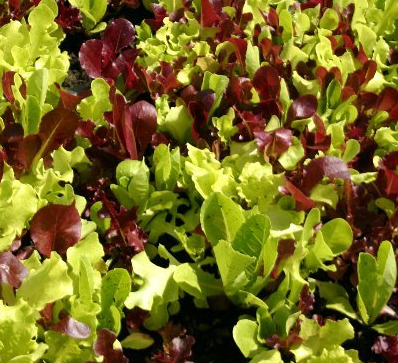
High Mowing's Gourmet Lettuce Mix - This mix takes the work out of choosing - a great blend of versatile lettuces that are excellent as baby: Black Seeded Simpson, Parris Island, Rouge d'Hiver, Red & Green Salad Bowl, Lolla Rossa.
Moon & Stars Watermelon - This heirloom variety is not only really pretty with a dark rind and yellow "moon & star" spots, it produces large, sweet fruit especially in the hot summers of the northeast. 95-100 days.
Valentine's Day Radish Mix - A mix of round garden radishes in red, pink, purple and white, along with the red and white elongated heirloom French Breakfast radishes. 25 days.
This is a 2-strain pick. Yellowstone and Cosmic Purple Carrots. Their interesting colors make them great for farmer's markets or just to add some color to a meal. Yellowstone carrots tend to get a little longer at 9" (Cosmic Purple get to be about 7") and they are both mature at 70 days.
Corno di Toro Sweet Peppers - This Italian Heirloom variety is one of my favorites. Nice sweet flavor, Italian "horn" shape, grows really well in New York, ripens to red in 78 days.
These are just a few of our favorites, stop by to see our full selection or call with inquiries. We can also special-order any varieties we don't currently carry and bulk seeds for microgreens or large plots. Check out the High Mowing website to view their full selection.
Friday, November 8, 2013
Aptus Plant Tech

Aptus is a Dutch company that specializes in high end, highly concentrated additives that push your plants to their maximum potential, without sacrificing quality. Since they only make additives, their products are compatible with any line of nutrients. Call or come in to find out more about their products and how to incorporate them into your current nutrient regimen.

Come to the Nyack store on Tuesday, November 19th, 11:00am-12:00pm, for Aptus' "Grower Education Class," speak to their reps directly and receive free product!
8 Bridge St.
Nyack, NY 10960
(845) 348-8811
Thursday, October 10, 2013
Growing Garlic Indoors (and Out) in Containers

Like with all crops, it's important to grow garlic that is ideal for your climate. There are 2 main types of garlic, hardneck and softneck. For indoor gardening you will want to grow softneck garlic, because it is able to grow well in milder climates (indoors) and typically matures faster. Softneck garlic is commonly what you find at the grocery store. Hardneck garlic is a lot more flavorful, grows a hard woody stem which later develops scapes, and grows better in northern climates where the tempertaure gets below freezing in the winter. Hardneck garlic will not grow well indoors.
We're growing a softneck variety, California Early White (Artichoke garlic), which we picked up when we were in Gilroy, CA (the garlic capital of the world, AKA: Heaven), and a hardneck variety, German White (Porcelain garlic) that we got from a farm in Sullivan County, NY. The California Early White will stay indoors all winter, while we'll put the German White outdoors over the winter so it can get a freeze.
What you need:
- Soil with good drainage, preferably with a decent nutrient charge so you don't have to do as much work by adding your own nutrients from the start. We like Roots Organics' Original Potting Soil. If you prefer to add your own nutrients/fertilizer, Canna's Terra Professional Plus works well.
- Containers. Garlic is a bulb so most of the growing is done below the surface of the soil. You want a container that's at least 12" deep and wide enough to space the seeds 4" away from each other and the sides of your containers. For 7-8 bulbs, we recommend 7 Gallon Root Pots from Aurora Innovations. We like the root pots because they have a good width & depth and allow for the roots and bulbs to get air (garlic can be prone to fungus if the soil is too wet and the bulbs/roots can't breathe).
- Garlic Seed. You can purchase seed garlic from a seed company (we like High Mowing Seeds, they're organic and we sell their fruit and vegetable seeds) or you can purchase garlic from any market or farm. The garlic you use for cooking is the same garlic you can grow.
- Saucers (optional) - You can use plastic saucers to catch the run-off from when you water your garlic.
- Light. If you're growing indoors we recommend using a T5 fluorescent fixture. They don't use much energy and you can put them almost anywhere. We're using the bottom shelf of a shelving unit to grow our garlic.
- Nutrients/Fertilizer. Garlic needs to be fertilized. Even if you start with a pre-charged soil, you will still need to amend with a general purpose fertilizer later on. For organic gardening while using Roots Organics soil, after about a month we prefer to top dress the soil with some earthworm castings or Super Bat Super Tea (garlic doesn't need much phosphorus or potassium at all, just a moderate amount of nitrogen). If you prefer liquid fertilizer, Bio Vega from Canna Nutrients works great, too (and it contains no chemicals or animal byproducts).
- Mulch or hay (when growing hardneck garlic outdoors).

Fill containers about 3/4 of the way with soil.

Take your garlic, break off the cloves, DO NOT PEEL. Plant the cloves with the pointy side upward (root side downward), leaving about four inches between each clove and the sides of the pot. This will allow enough room for each head of garlic to develop.

Cover cloves with about 1-2 inches of soil, water them (gently, making sure not to disturb the spacing of the garlic), and place them under your grow light. Make sure to keep your soil moist - not soaked because garic can rot/not produce under very wet conditions. For hardneck garlic, you may want to get some mulch/hay and cover the top of the container to protect from the cold over the winter.
With softneck garlic, in a week or two you will begin to see green sprouts coming out of the soil (hardneck garlic tends to sprout a little later, then goes dormant over the winter and new shoots usually start coming up towards the end of the winter/beginning of spring). Some people like to grow garlic just to cut and eat these shoots (you can use them the same way you would chives) but for the growth of the actual garlic you should leave them alone. They process light and bring nutrients to the garlic bulbs.

With softneck garlic, in about 7-10 months the leaves will turn yellow and brown and dry out. When this begins to happen, stop watering. You want to give them about two weeks to dry out, and then it's time to harvest! Pull up garlic, brush off soil and allow to dry. Once dry, softneck garlic can store for 6-10 months (when kept in a cool, dark, dry place).
Hardneck garlic is a little different. They produce scapes, which are string-bean-looking things that come out of the center of the plant and curl. Most people cut these off, because it distributes energy back down to the garlic bulb and tends to produce larger bulbs. Usually garlic is ready to harvest 2-3 weeks after cutting the scapes (like with softneck garlic, the leaves will start to die). After harvesting, curing and drying your hardneck garlic, you will need to use it within 2-4 months since it does not have the long shelf life that softneck garlic does.
*UPDATE*
Here is our garlic 8 months later.
.JPG)
*UPDATE*
Here is our garlic 8 months later.
Thursday, October 3, 2013
SALE: HORTILUX 1000W HPS LAMPS

Now through 12/31/13, Hortilux 1000W HPS Lamps - $75.00 (MSRP: $129.95)
Wednesday, July 10, 2013
SUMMER SALE - Hydrofarm Daystar Reflectors

Daystar 6" Air-cooled Reflector - With built-in 6" flanges and removable glass lens - MSRP - $169.95, SALE PRICE - $99.95
Over 40% Savings!
On sale until August 30th or while supplies last.
Thursday, June 27, 2013
Indoor Gardening in the Summer


- Have a hygro-thermometer in each room that records the minimum and maximum temperature and humidity readings. That way if a piece of equipment is not operating properly and causes a change in your environment, you can catch it as soon as possible even if you're not there when it happens. Sunleaves makes a great hygro-thermometer that comes with an external sensor, so you can monitor the temperatures in two rooms at once. Autopilot makes one that measures the temperature, humidity and CO2, and also records the readings every 30 minutes (and stores them for 24 hours), so you know exactly WHEN things changed (which can be very helpful when trying to diagnose a problem).

- During heatwaves, electric companies sometimes reduce voltage to help lessen the strain on their power systems. When this happens, you're not getting your full power input. High wattage lights may not get their full "juice" so they will work harder to power up, which can damage the ballasts and/or bulbs. They can also be damaged when the power jolts back to its full potential, which is one reason why surge protectors are so important. They're relatively inexpensive when compared to the costs of new ballasts and bulbs. You may even lose partial power (some of your lights may work while others don't). If this happens, don't panic. Wait until the heatwave passes and then test your equipment once voltage is fully restored. If your equipment still isn't functioning, some of the damage incurred may be covered under warranty. Bring it in to the shop and we'll take a look at it.

- Water temperature is very important in hydroponic gardening. The perfect water temperature range is 65-68 degrees. Low 70's can be ok, but once it climbs above 72-73 you run the risk of harmful bacteria, fungi and pathogens breeding and infecting your root zones. High water temperatures are the main cause of root rot, and unfortunately sometimes once you get it, there's no getting rid of it. If you're having a hard time controlling your water temps, seriously think about investing in a water chiller. They aren't the cheapest pieces of equipment but sometimes they're the only answer in successful hydroponic gardening (especially in the summer). You can use products like H2O2 or Botanicare's Aqua Shield to help treat your water and prevent disease, just be careful when using H2O2 because it will kill any beneficial bacteria and fungi you may be adding to your nutrient solutions.

- Air-cool your lights. By creating a sealed line, where cool air is being pulled from an unused room with an in-line fan, through your lights via ducting, then out of the room (either into another room or directly outside), you can bring down your room temperatures considerably (typically 5-10 degrees). This will ease the load on your air conditioner and help lower your cooling costs, since fans use less electricity than A/C's. The sealed line is important because you don't want to waste the cool air from the A/C that you're already putting into your room by exhausting THAT air through the lights, or waste your CO2 if you're using it.

- Most people opt for CO2 enrichment over bringing in fresh air during the summer months, due to the fact that the fresh air you'll be bringing in is probably hotter than the room itself (and CO2 helps plants combat the heat). However, if you must, (and this goes for all times of the year, not just the summer) make sure to protect your garden by using an intake filter! Bugs and molds are alive and well outdoors. The last thing you want to do is bring them in to your sterile environment where they can (and will) thrive. If you're in the city, don't think you're immune. They're everywhere.
- If it's an option for you, scale back. Even when you have the required equipment, running it all can be expensive. If you go full bore all year long and you don't feel like fighting the heat, cut back. Use half of your growing space during the height of the summer. You'll save money on cooling costs and give yourself a little break. You worked hard on your garden all year, you deserve it!
Thursday, June 20, 2013
Back in Stock: Bloom/Yellow Bottle Silica

Wednesday, June 5, 2013
New Product: EZ-CLONE Classic Cloning Systems

EZ-CLONE, the most effective and popular cloning machine, has been redesigned. The new EZ-CLONE Classic cutting system has 75+ improvements over the original model, most notably:
-the change in material from ABS (Acrylonitrile Butadiene Styrene) to HDPE (High-Density Polyethylene) which is UV Resistant, doesn't conduct as much heat (meaning your water will stay cooler), is more environmentally friendly and is FDA, NSF and USDA approved for contact with food.
- shallower and slightly smaller holes for cloning collars and 2 finger recesses for easier removal and less chance of damage to your cuttings
- smoother finish for easier cleaning (cleanliness is key when cloning, the tiniest bit of bad bacteria/fungus and you won't get roots)
- more sites in each unit (32, 64, 128) and the addition of a smaller, 16 site unit
- lower price
To see a complete list of all of the updates and changes made, click here.
If cloning from multiple plants at the same time, print out EZ-CLONE's cloning diagrams to document and keep track:
EZ-CLONE 16 - EZ-CLONE 32 - EZ-CLONE 64 - EZ-CLONE 128
We now have all sizes, in stock.
Friday, May 31, 2013
Canna's TERRA line of nutrients

Thursday, May 30, 2013
Back in stock: Advanced Nutrients' Connoisseur
After being sold out for a couple of weeks, Advanced Nutrients' Connoisseur ("pH Perfect" formula) 2-part flowering-stage base nutrient is fully restocked in both stores.

Tuesday, May 21, 2013
Products we Love: 8" Max Fan HO - Variable Speed

The majority of companies that make in-line fans have a serious void in their product line-up. Most 8" in-line fans push somewhere between 700-750 CFM (cubic feet per minute) and most 10" in-line fans push 750-795 CFM. 12" in-line fans typically start at 1100 CFM. So what do you do if your airflow needs fall into the 800-950 CFM range? You can always use a 12" in-line fan with a fan speed adjuster (an inexpensive add-on that can really help you dial in your airflow), but sometimes space is limited and doesn't allow for the use of multiple reducers (12"-10", 10"-8", etc.).
To solve that problem, Max Fan has made an 8" in-line fan with a built-in variable speed feature: Speed 1 - 750 CFM, Speed 2 - 850 CFM, Speed 3 - 932 CFM. It is a powerful fan that surprisingly runs very quietly and has a 5 year warranty.
Another great product from the same manufacturer is Max Duct, a high quality ducting featuring triple foil laminate, covered in white UV resistant PVC. Since this ducting is so heavy-duty, it 100% reusable. It comes in a variety of sizes (4"-20" diameters), in 25' rolls with two hose clamps. If you're setting up a new ventilation system, it is a must-have.

Mention this blog entry and get 10% off on these products until June 1st.
Monday, April 22, 2013
Earth Day 2013
In celebration of Earth Day, get a free pack of seeds with any soil/soilless growing mediums.

Monday, April 8, 2013
New Seeds are In!
Today we received our first batch of seeds for the 2013 outdoor season! This year we've decided to switch from Seeds of Change to a smaller, independently owned, farm-based and more local seed company, High Mowing Organic Seeds (from Wolcott, VT). We've used their seeds for years in our own gardens and in-store displays and we are very happy with their quality and germination rates. Plus they are, of course, 100% certified organic and non-GMO.

We've chosen a selection of our favorites to start out the season:
Astro Arugula
Black Beauty Eggplant
Cherokee Purple Tomato (Heirloom)
Chives
Early Jalapeño
Genovese Basil
Greek Oregano
High Mowing Mesclun Mix
Hungarian Hot Yellow Wax Pepper (Heirloom)
King of the North Pepper (an early ripening bell pepper that is good for growing in the north east)
Lacinato Dinosaur Kale (Heirloom, a personal favorite - great for dehydrating and making Kale Chips)
Lemon Basil
Magnum Orange Habanero Pepper
Mountain Princess Tomato (Heirloom, these are perfect for container gardening and when space/height is limited)
Nautic Brussels Sprout
Optima Butterhead Lettuce
Rainbow Chard (see photos!)
Red Oakleaf Lettuce
Red Russian Kale (Currently growing at the Nyack store)
Renegade Spinach
Ring -O- Fire Cayenne Pepper
Sage
San Marzano Tomato (another favorite, great for sauce and salsa even though it's considered a "paste" tomato)
Santo Cilantro
Sugar Ann Snap Peas
Sweet Thai Basil
Thyme
Yellow Pear Cherry Tomato (Heirloom)
An in-store favorite, Rainbow Chard (aka Silverbeet) - photos from the last time we grew it in Nyack:


Even the roots are rainbow!
If there are any seeds you'd like to see us carry, we are open to suggestions! Check out the High Mowing Organic Seeds website and let us know. We also take special orders.
Thursday, March 28, 2013
Quick Tip
Quick Tip: When using Canna's Aqua line of nutrients, do not aerate your reservoir. The nutrients are pH buffered and the added oxygen disrupts the buffering capabilities. Removing the air stones will help stabilize your pH.
Monday, March 25, 2013
Hydroponics Project by 2nd Graders at Blue Rock School
A few weeks ago we helped Mrs. Kane, a 2nd Grade teacher at Blue Rock School in West Nyack, NY, with a hydroponics project for her students. Using recycled water bottles, rockwool mini cubes and a piece of felt as the wick, the students made self-contained wicking hydroponic systems to grow basil and zucchini in. Here are some pictures of them with their projects:


Thursday, March 7, 2013
Back in Stock: Nirvana from Advanced Nutrients

After being backordered from the manufacturer for the last few months, Advanced Nutrients' Nirvana is back in stock at both stores. It's a good all-natural additive to any nutrient regimen and for use with any growing medium. It's also part of the Advanced "Professional" feeding schedule. Nirvana is full of beneficial organic ingredients: Humic acid acts as a catalyst for all other nutrients you're using allowing for easier uptake, whey protein is an all-natural bloom-booster due to the fact that it stimulates amino acid production (plus Nirvana contains a bunch of different amino acids, and B vitamins derived from seaweed extract), alfalfa extract helps to accelerate CO2 intake, plus azomite (made up of TONS of trace minerals and elements), yucca and Chilean soap bark extracts (natural plant surfactants), earthworm castings, bat guano and more.
Saturday, February 2, 2013
New Product: Clonex Cloning Kit
Cloning plants, rather than starting from seed each time, not only cuts weeks off of your growing cycle, but guarantees consistent results. Every seed has a different genetic makeup, regardless of if they are from the same strain of plant (or even the exact same plant). Some grow taller, some grow wider, some are resistant to disease and fungus while some aren't, some provide large yields while others provide smaller yields, they're all different. Growers go through endless trials and errors to find the best, heaviest yielding, strongest, hardiest plants...and once they do, cloning is the easiest way to ensure that those genetics will not be lost forever. All cloning should be done while the plants are still in the vegetative stage, so when starting new seeds we always recommend planning ahead. Let the seedlings grow up to about a foot, take a clone or two, grow the clones to about a foot and flower them instead, while keeping the original plant that started from seed in the vegetative (grow) stage. That way you always have a strong stock-plant (aka: a "Mom" or "Mother") just in case it turns out to be a plant you'd like to keep and work with again. If starting multiple seeds at the same time, make sure to label everything so there is no confusion as to which plants are which and what cuttings came from what plant.

For first time cloners (or experienced cloners who are looking for better results), Hydrodynamics has come out with an all-in-one kit with everything you need to make your cloning successful. For $29.95 you get:
- a packet of Clonex Gel that will be enough to dip about 50 cuttings in (dip them immediately after taking the cutting)
- an 8 oz. bottle of Clonex Cloning Solution (mix with water to pre-soak your medium/starter cubes in or use in the water of your cloning machine)
- a 100mL spray bottle of their brand new product Clonex Mist (spray on your mother plant about a week or 2 before you start taking cuttings, and then mist your cuttings with it during the rooting process) which has been shown to produce roots 30% faster, with 156% more roots than if you mist with water alone
- a small glass to portion your cloning gel out into (you never want to dip directly into the container to avoid contamination)
- a small tray to prepare your cuttings on
- a postcard with instructions on how to clone
Subscribe to:
Posts (Atom)